Dog Pregnancy Symptoms Week by Week: What to Expect in All 9 Weeks
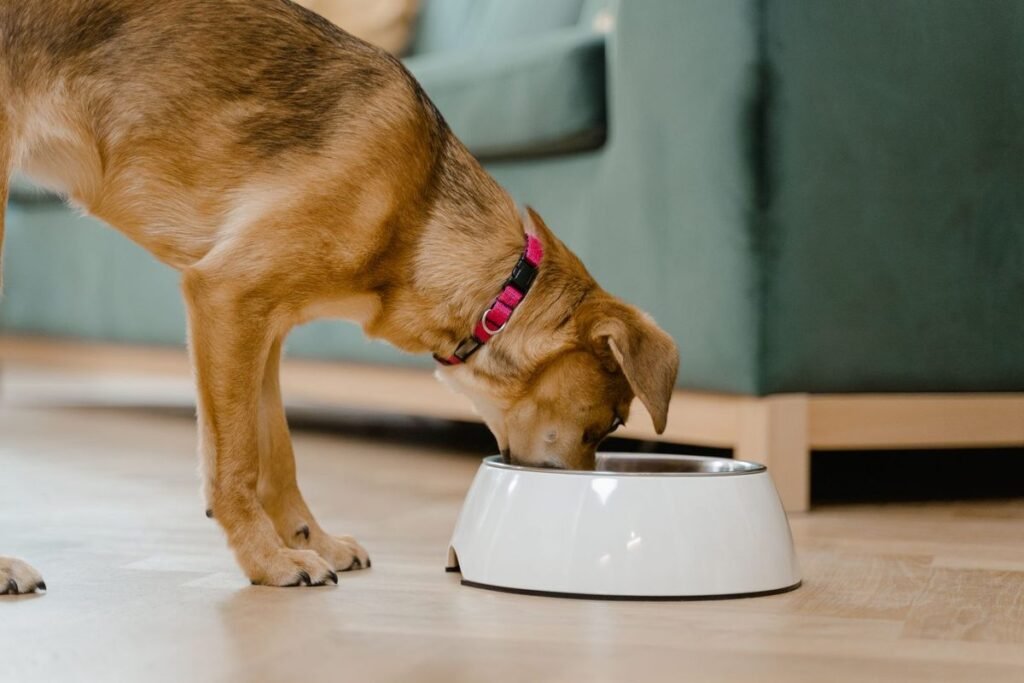
Yes, dogs show pregnancy symptoms, but they appear gradually and they change from week to week. A dog may be a little more tired than usual, eat a little less for a few days, or seem more clingy. By the middle of pregnancy, her nipples become more noticeable, her appetite returns, and her belly starts to fill out. In the last weeks, her belly grows clearly, she may move more slowly, she may start nesting, and milk may appear.
Dog pregnancy lasts 62 to 64 days from ovulation, an average of about 63 days from that anchor, or roughly 9 weeks. The exact day count changes with a different starting point, so always name the anchor. No combination of signs you can see at home confirms pregnancy on its own. Only a vet test can do that. Use this guide to know what to watch for.
Use our Dog Due Date Calculator to estimate your dog's due date. This is an estimate only. It does not confirm pregnancy and it does not replace vet care.
How to Read This Timeline
Pregnancy is usually described in weeks, but a week is not an exact clock. Litter size can shift timing by a day or two, and individual dogs vary. Breed does not change gestation from ovulation, about 63 days for all breeds. The table below is a quick map.
Dog Pregnancy Symptoms at a Glance
| Symptom | First appears | Peaks | Fades |
|---|---|---|---|
| Tiredness and sleeping more | Weeks 1 to 3 | Weeks 1 to 4, and again in weeks 8 to 9 | After whelping |
| Reduced appetite or picky eating | Weeks 2 to 4 | Weeks 3 to 4 | Usually by week 5 |
| Increased appetite | Weeks 5 to 6 | Weeks 7 to 9 | After whelping |
| Nipple enlargement and pinkening | Weeks 3 to 5 | Weeks 6 to 9 | After weaning |
| Weight gain | Weeks 4 to 5 | Weeks 7 to 9 | After whelping |
| Belly growth | Weeks 5 to 6 | Weeks 7 to 9 | After whelping |
| Behaviour changes, clinginess or restlessness | Weeks 1 to 3 | Weeks 8 to 9 | After whelping |
| Nesting | Weeks 8 to 9 | Last days before whelping | After whelping |
| Milk production | Weeks 7 to 9, sometimes only at whelping | Last days before whelping | After weaning |
| Puppies moving, felt or seen | Weeks 7 to 8 | Weeks 8 to 9 | At whelping |
Weeks 1 to 4: A Summary
The first four weeks are the quietest part of pregnancy. Many dogs show little that an owner can be sure about, and that is normal. Implantation happens about 15 to 18 days after ovulation, so for much of this period the body has not yet changed in an obvious way. In weeks 1 to 3, the most common early signs are tiredness, a little less interest in play, and a wish to stay close to a familiar person. Some dogs eat a little less in weeks 2 to 4. Nipples may start to look a little pinker in weeks 3 to 5, but this change is subtle and it can also happen in a false pregnancy.
For fuller detail, read our guide to early signs of pregnancy in dogs. This article gives only a summary here so it can spend more time on weeks 5 to 9. By the end of week 4, a vet may be able to feel the pregnancy by abdominal palpation, possible from about day 21 and most reliable between 28 and 35 days. It cannot confirm that the puppies are alive, and it cannot count them reliably.
Weeks 5 to 6: Appetite Returns and the Belly Starts to Show
Weeks 5 to 6 are often the turning point. If your dog went off her food earlier, her appetite usually comes back now and then grows. This is a useful sign, but it is not proof of pregnancy on its own, because appetite also changes with activity, weather, and food. Weight gain often begins in weeks 4 to 5 and becomes easier to notice now. Her waist may look less tucked in, and her belly may feel fuller when she lies on her side. Do not press her belly to check for puppies.
Nipple changes become clearer now. The nipples often look larger, darker, or pinker than before. Some dogs become calmer now, others more affectionate. Both patterns can be normal. An ultrasound is reliably useful from 25 to 35 days, and most reliable after day 28. It can confirm pregnancy and show that the puppies are alive, but it does not reliably count them.
Weeks 7 to 8: Clear Belly Growth, Slower Movement, and First Milk
In weeks 7 to 8, most pregnant dogs look pregnant. Her belly grows steadily and her weight gain becomes obvious. She may walk more slowly, take shorter walks, and rest more often. Give her a comfortable resting place at floor level and avoid asking her to jump or climb. You may start to feel or see the puppies move in weeks 7 to 8, often as a gentle ripple when she is relaxed and lying on her side. Do not press hard to feel it.
Milk may appear in weeks 7 to 9, but the timing varies a lot. Some dogs have a little milk before whelping, others have none until whelping starts. The absence of milk does not mean the pregnancy is not real, and the presence of milk does not prove it either, because false pregnancy can also cause milk. Behaviour often changes again now. Some dogs become more protective of their resting place, some more withdrawn, and some more clingy. Appetite is usually strong, and she may need smaller, more frequent meals.
Week 9: Nesting, Restlessness, and Getting Ready to Whelp
Week 9 is the final week, and the signs are about preparation for birth. Nesting often starts in weeks 8 to 9 and peaks in the last days. Your dog may dig at blankets, carry soft items to one place, or rearrange bedding. Give her a clean, warm, quiet whelping area and let her explore it without forcing her to stay there. Restlessness is common as whelping nears. She may pace, pant, look at her belly, or ask to go outside more often. She may eat less in the last day or two.
A temperature drop can be a useful late sign if you have been taking her temperature in the same way each day. Her temperature often falls below 100 degrees Fahrenheit, or 37.8 degrees Celsius, usually 8 to 24 hours before labour. It lasts only about 8 hours, so it can be missed. Do not rely on temperature alone.
Appetite Changes: Eating Less, Then Eating More
Appetite is one of the most talked about signs of pregnancy in dogs, and also one of the most confusing. A pregnant dog not eating in the early weeks is common, but it is not a test. Some dogs eat normally all through the first month. Others go off food for a few days in weeks 2 to 4. This early dip usually fades by week 5. If your dog eats less for a day or two but still drinks water and stays alert, that is often a mild early change. If she refuses food for more than a day, vomits repeatedly, seems weak, or will not drink, call your vet.
From week 5 onward, the pattern usually reverses. Her appetite grows, and by weeks 7 to 9 she may need more food than usual. Feed her normal balanced food in smaller, more frequent meals, and keep fresh water available. Do not add medication, deworming treatment, or vaccines on your own. Ask your vet first.
Pregnant Dog Behavior Changes
Behaviour changes are real in pregnancy, but they are also easy to over read. A dog who is more tired will play less, and a dog who is uncomfortable will seek a quiet place. None of these behaviours proves pregnancy, and all of them can happen for other reasons. In the early weeks, many owners notice clinginess or a wish for more fuss. In the middle weeks, behaviour often settles. In the last two weeks, restlessness, nesting, and a wish to be left alone can all appear as whelping nears.
The key is change from her normal pattern. If your dog is usually independent and suddenly follows you everywhere, or usually social and suddenly hides, note the change and the date. Keep her routine steady and give her a quiet place she can choose. If behaviour changes suddenly, if she seems in pain, or if she stops responding normally, call your vet.
Nipples, Weight Gain, and Belly Growth
Physical changes build slowly, which is why they are more useful in the second half of pregnancy. Nipple enlargement often starts in weeks 3 to 5 and grows through weeks 6 to 9. The nipples may look pinker, larger, or more prominent. This is one of the more visible signs, but it is not specific to pregnancy. False pregnancy can cause the same mammary enlargement and milk. Weight gain often starts in weeks 4 to 5 and continues through to whelping. The amount varies with litter size and the size of the dog. Weigh her once a week on the same scales and write the result down. A steady rise is more useful than a single reading.
Belly growth follows weight gain. It is often first noticeable in weeks 5 to 6 and becomes clear in weeks 7 to 9. Do not try to count puppies by feeling her belly. An X-ray is the best way to count them, and it is most useful after day 55.
Symptoms That Are Not Reliable on Their Own
Many signs that owners watch for can happen without pregnancy. Tiredness can be caused by heat, illness, or a change in routine. Appetite changes can be caused by food, stress, or an upset stomach. Nipple changes and milk can be caused by false pregnancy. False pregnancy mimics true pregnancy closely. Signs begin 4 to 9 weeks after heat, and they can include mammary enlargement, milk, nesting, mothering toys, and lethargy. They usually resolve in about 14 to 21 days.
Progesterone rises in diestrus whether a dog is pregnant or not, so a progesterone test cannot distinguish false pregnancy from true pregnancy. A relaxin test can, because pseudopregnant dogs do not produce relaxin. A human pregnancy test does not work on dogs. Human tests detect hCG, a hormone dogs do not produce. Relaxin is the only known pregnancy specific hormone in the bitch.
When Symptoms Warrant a Vet Visit
If you are worried about your dog, contact your vet. You do not need to be sure she is pregnant first. In pregnancy, the following symptoms warrant a vet visit: she eats less for more than a day, she vomits repeatedly, she seems weak or collapses, she has a vaginal discharge that looks like pus or smells bad, she has swelling or discharge from a nipple, or she is due to whelp and no puppy has arrived after 24 hours.
How to Confirm Pregnancy and Plan the Due Date
Ultrasound is the first line, reliable from day 25 to 35, and most reliable after day 28. It confirms pregnancy and lets the vet see that the puppies are alive. Relaxin blood tests from 25 to 30 days can confirm pregnancy too, with false negatives possible before day 27 or in a small litter. A repeat test one week later is needed then. Abdominal palpation is best between days 28 and 35. X-ray is best for count in late pregnancy, when skeletons are visible around day 43 to 45, and is best after day 55. A human pregnancy test does not work on dogs.
Use the calculators below to track timing.
Check your dog's due date with our Dog Due Date Calculator. Track ovulation timing with our Dog Ovulation Calculator. Follow progesterone trends with our Dog Progesterone Calculator. These tools give estimates only. They do not confirm pregnancy and they do not replace vet care.
Disclaimer: This article is for general information only. It does not confirm pregnancy, diagnose a health problem, or replace advice from your vet. If you are worried about your dog, contact your vet.
Frequently Asked Questions
What are the first dog pregnancy symptoms?
The first signs are usually tiredness and a small change in appetite or behaviour. The dog may sleep a little more, be less keen on play, or seek more company. Nipples may look a little pinker from week 3. None of these signs alone confirms pregnancy, and many dogs show none of them in the first three weeks.
When do dog pregnancy symptoms start?
Symptoms may start in weeks 1 to 3, but they are usually mild then. Appetite changes often appear in weeks 2 to 4, nipple changes in weeks 3 to 5, and clear belly growth in weeks 5 to 9. A vet test can confirm pregnancy from week 4.
When does a pregnant dog start showing?
A pregnant dog often starts to show in weeks 5 to 6, when her belly begins to fill out and she starts to gain weight. First time mothers and dogs carrying a small litter may not show clearly until weeks 7 to 8. A small litter or a first pregnancy can hide the belly for longer.
Do pregnant dogs eat more or less?
Both. In the early weeks, some dogs eat a little less for a few days, while others eat normally. From week 5, appetite usually grows, and by weeks 7 to 9 a pregnant dog often eats more than usual. Feed her normal food in smaller, more frequent meals, and keep fresh water available. Ask your vet before you change her diet or add supplements.
What are the signs of false pregnancy in dogs?
False pregnancy can cause the same signs as a true pregnancy: mammary enlargement, milk, nesting, mothering toys, and lethargy. Signs begin 4 to 9 weeks after heat and usually resolve in about 14 to 21 days. Prolactin stays high during a false pregnancy, but relaxin is not produced. Only a relaxin test, ultrasound, or a vet exam can tell them apart.
When should I call the vet during pregnancy?
Call your vet if your dog eats less for more than a day, vomits repeatedly, seems weak, has a bad smelling or pus like discharge, has swelling or discharge from a nipple, or is due to whelp and no puppy has arrived after 24 hours. Do not wait and see if any of these appear.
Sources
- AKC Dog Pregnancy: https://www.akc.org/expert-advice/health/dog-pregnancy-care-prep/
- VCA Pregnancy in Dogs: https://vcahospitals.com/know-your-pet/breeding-for-pet-owners-pregnancy-in-dogs
- VCA Pregnancy Testing in the Dog: https://vcahospitals.com/know-your-pet/pregnancy-testing-in-the-dog
- VCA False Pregnancy: https://vcahospitals.com/know-your-pet/false-pregnancy-or-pseudopregnancy-in-dogs
- Cornell Normal Whelping: https://www.vet.cornell.edu/departments-centers-and-institutes/riney-canine-health-center/canine-health-topics/normal-whelping-process
- Merck Veterinary Manual: https://www.merckvetmanual.com/dog-owners/reproductive-disorders-of-dogs/management-of-reproduction-in-dogs
Keep reading

Can a Dog Get Pregnant by Two Different Dogs?
Yes, a dog can get pregnant by two different dogs. A single litter can have puppies from different fathers. This is called…
False Pregnancy in Dogs: Signs, Causes, and What to Do
A false pregnancy in dogs, also called a phantom pregnancy or pseudopregnancy, is when an unspayed female shows the signs and behaviour…
Dog Pregnancy Test: Relaxin, Ultrasound, Palpation and X-Ray Explained
A human pregnancy test does not work on a dog. Human tests detect hCG, human chorionic gonadotropin, a hormone dogs do not…