Average Dog Litter Size: What Is Normal, and What Affects It?
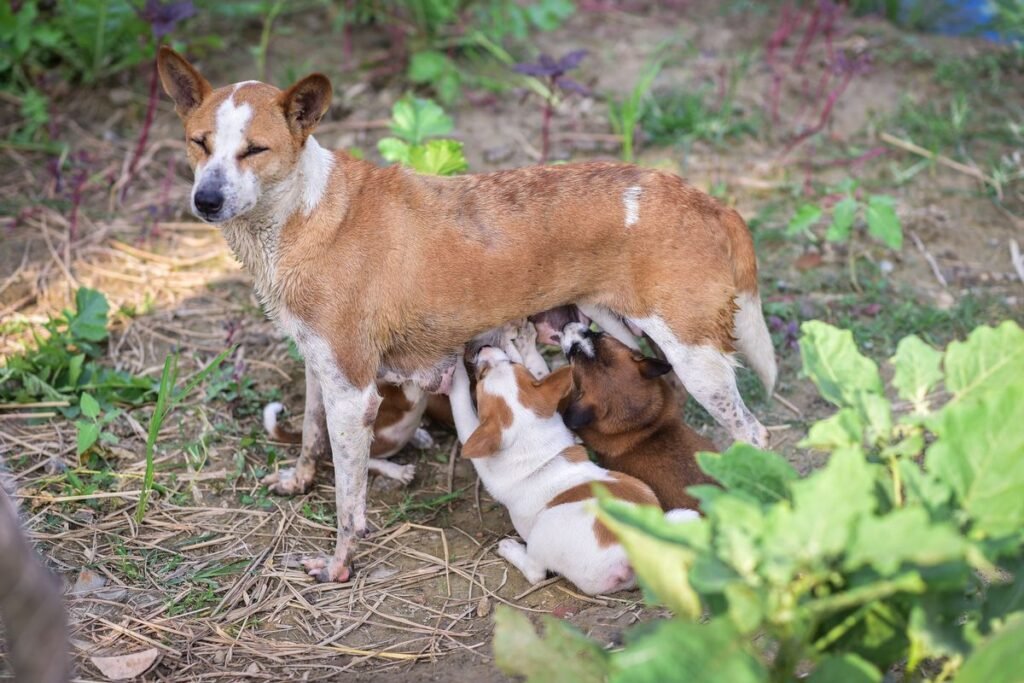
The average litter size for a dog is 5–6 puppies. But that average conceals a wide range: a Chihuahua may have only 1 puppy, while a Great Dane may have 10 or more. The size of the litter depends mainly on the breed and its body size, though age, health, nutrition, and genetics also play a part. A normal litter size is not a fixed number — but rather a range that is normal for that breed and size.
What Is a Normal Litter Size for a Dog?
A normal litter size for a dog is 5–6 puppies. But as with breed and body size, the litter size varies a lot. Here is what to expect by breed size:
| The size of a dog breed | Typical litter size |
|---|---|
| Small breeds (up to 10 kg) | 1–4 puppies |
| Medium breeds (10–25 kg) | 4–6 puppies |
| Large breeds (25–45 kg) | 6–8 puppies |
| Giant breeds (over 45 kg) | 8–12 puppies |
Larger litters can increase the risk of complications, so it is important to know what you are expecting. The information below will help you work out how many puppies to expect from your dog and act in time if problems arise.
Average Litter Size by Breed
The average litter size for a dog is 5–6 puppies. But, as with body size, the number of puppies depends on the size of the breed.
| The size of a dog breed | Typical litter size |
|---|---|
| Chihuahua | 1–3 |
| Pomeranian | 1–3 |
| Yorkshire Terrier | 2–4 |
| French Bulldog | 2–4 |
| Beagle | 4–6 |
| Labrador Retriever | 6–8 |
| Golden Retriever | 6–8 |
| German Shepherd | 6–8 |
| Rottweiler | 6–9 |
| Great Dane | 8–10 |
| Italian Mastiff | 8–10 |
Some dogs have larger litters than you might expect. For example, a study of US litters suggested a surprising result: some dams had litters with as many as 15 puppies.
What Affects Litter Size?
Several factors affect how many puppies a dog will have:
- Breed and size: Larger breeds generally have larger litters.
- Age: Dogs aged 2–5 usually have the largest litters, whereas younger and older dogs tend to have fewer.
- Health: A healthy dog is more likely to have a larger litter.
- Nutrition: A dog with good nutrition is more likely to have a normal number of puppies.
- Genetics: Some breeds are known for larger litter sizes, so the dog's breed and size matter quite a lot.
- Environment: Puppies in a well-kept environment — safe, clean and calmer — usually do better.
- Caring for your dog: A dog that is well cared for is more likely to have a larger litter.
How Many Puppies Do First-Time Mothers Have?
A first-time dog usually has a smaller litter than usual, as she has never given birth before. For example, a small breed may have 1–3 puppies, a medium breed 3–5, and a large breed 4–6. But her litter may be larger or smaller, and litter sizes can vary in different ways — some dogs have a smaller litter than their breed would suggest. Large litters can also increase the risk of complications, so it is worth planning for a few extra supplies.
Average Litter Size vs How Many Puppies Will My Dog Have
The average litter size for a dog is 5–6 puppies. But the number of puppies in your dog's litter depends on your dog's breed and size. Our guide on how many puppies will my dog have explains how to work out the expected litter size for your dog or puppy.
Frequently Asked Questions
What is the average litter size for a dog?
The average dog litter size is 5–6 puppies. Small breeds usually have only 1–4 puppies, medium breeds 4–6, large breeds 6–8, and giant breeds 8–12. The exact number depends on breed, size, age and health.
What is a normal litter size for a first-time mother?
A first-time mother usually has 1–3 fewer puppies than a dog that has already had litters. For example, a small breed may have 1–3 puppies, a medium breed 3–5, and a large breed 4–6. Her litter may be larger or smaller — litter sizes can vary in different ways.
Which breed has the largest litters?
Giant breeds have the largest litters: a Great Dane usually has 8–10 puppies, and an Italian Mastiff 8–10. A very large litter, such as 15 puppies or more, is unusual for any breed but could occur.
What is the largest litter ever recorded?
The largest litter ever recorded was 24 puppies, born in 2004 to a Neapolitan Mastiff in Cambridgeshire, England. If you would like to learn more about litter sizes, see our guide on how many puppies will my dog have.
What if my dog's litter is smaller than average?
A smaller litter than average — for example, 1 puppy in a small breed or 4 puppies in a Labrador — is often normal. Age, health, nutrition and genetics can affect the number, so ask your vet if you have concerns.
How can I check the litter size before birth?
An X-ray from day 55 after mating is the most accurate way to count puppies, once their skeletons are visible. An ultrasound from day 25 can confirm pregnancy but cannot reliably count the puppies because they overlap.
What if my dog has more puppies than average?
A litter larger than average is usually normal, but the dog may need extra food and rest to cope with the demands of feeding and caring for the extra puppies.
Next Steps: Calculate Your Dog's Due Date
Now that you know how many puppies to expect, use our dog pregnancy calculator to work out your dog's due date from the mating date.
Sources
- Borge, K. S., Tønnessen, R., Nødtvedt, A., & Indrebø, A. (2011). Litter size at birth in purebred dogs — A retrospective study of 224 breeds. Theriogenology, 75(5), 911–919. https://doi.org/10.1016/j.theriogenology.2010.10.034
- Concannon, P. W. (2011). Reproductive cycles of the domestic bitch. Animal Reproduction Science, 124(3–4), 200–210. https://doi.org/10.1016/j.anireprosci.2010.08.028
- Feldman, E. C., & Nelson, R. W. (2014). Canine and feline endocrinology and reproduction (4th ed.). Saunders.
Keep reading

How to Calculate a Dog’s Due Date
Start with the date you actually know, add the number of days that belongs to that date, and you have a due…

Do Pregnant Dogs Sleep a Lot?
Yes, pregnant dogs sleep and rest more than usual, especially in the early weeks and again in the last weeks. Tiring easily…
Pregnant Dog Not Eating
A pregnant dog who is not eating is usually fine — but it depends on when it happens. A dog who eats…