How Soon Can You Tell If a Dog Is Pregnant?
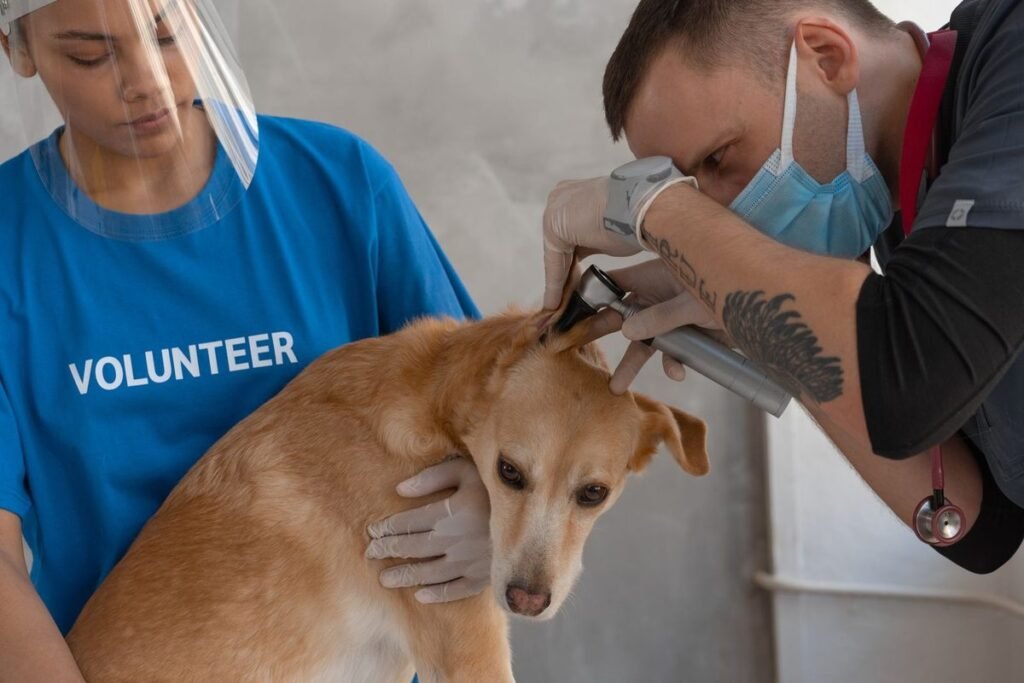
You can usually tell if a dog is pregnant from about day 21 after breeding, when a vet may be able to feel the puppies by abdominal palpation, but the most reliable confirmation comes later. A relaxin blood test is often positive from day 22 to 30 after breeding, depending on how the days are counted, and an ultrasound is most reliable after day 28. An X-ray cannot confirm pregnancy early, because puppy skeletons are not visible until about day 43 to 45, and it gives its best count after day 55. No sign you can see at home confirms pregnancy on its own. Only a vet test can do that, and a negative result in the first three weeks does not rule pregnancy out.
The day you start counting from changes the answer. Gestation is 62 to 64 days from ovulation, with an average of about 63 days, and 64 to 66 days from the LH surge or first progesterone rise. It is 56 to 58 days from the first day of diestrus, and 58 to 72 days from a first mating, according to Merck and UC Davis. The same mating-date range is expressed by Cornell as 63 days, plus or minus 7, and by VCA as 57 to 65 days. Always name the anchor. For the full comparison of all four ways to count, see how long are dogs pregnant. Breeding, ovulation and fertilisation do not happen on the same day. Use the Dog Due Date Calculator to estimate a due date from the anchor your vet gives you. Treat the calculator result as an estimate only: it cannot confirm a pregnancy, and it never stands in for a vet.
Why Early Pregnancy Is Hard to Confirm
Implantation, when the embryos attach to the wall of the uterus, happens about 15 to 18 days after ovulation, according to the AKC. Before that there is no placenta producing relaxin in a detectable amount, no embryo large enough to see reliably on ultrasound, and nothing distinct enough for a vet to feel by palpation. Progesterone also rises in diestrus whether a dog is pregnant or not, so a progesterone result cannot distinguish a pregnant dog from one that is not pregnant. That pattern is also why false pregnancy can look so convincing. Breed does not change the basic timing: gestation from ovulation is about 63 days for all breeds, although litter size may shift it by a day or two. What does change the timing is the individual dog. Temperament, size, body condition, litter size and examiner experience all affect palpation, and a small litter may produce too little relaxin for a positive blood test.
Dog Pregnancy Confirmation Timeline
The table below summarises the timeline in this guide. The earliest day is when a test may work in favourable conditions. The most reliable day is the day to aim for when you want a result you can trust. Count the days from breeding unless your vet gives you an ovulation or fertilisation anchor, and ask which anchor they are using before you compare dates from different sources.
| Stage | Test that may work | Earliest day | Most reliable day | What it tells you |
|---|---|---|---|---|
| Days 0 to 21 | None reliably | Not applicable | Not applicable | No vet test confirms pregnancy yet |
| Days 21 to 28 | Abdominal palpation; relaxin blood test in some dogs | Day 21 for palpation; day 20 to 25 after fertilisation for relaxin | Day 28 to 35 for palpation | Palpation may feel fluid sacs; relaxin may be positive |
| Days 28 to 35 | Relaxin blood test; ultrasound | Day 22 to 27 after breeding for relaxin in most dogs | After day 28 for ultrasound | Relaxin confirms pregnancy; ultrasound confirms pregnancy and viability |
| Days 35 to 45 | Ultrasound; X-ray from day 43 to 45 | Day 43 to 45 for X-ray skeletons | After day 35 for ultrasound | Ultrasound shows heartbeats; X-ray starts to show skeletons |
| Days 45 to 55 | Ultrasound; X-ray | Day 43 to 45 for X-ray | Day 45 onward for X-ray detail | X-ray detail improves; ultrasound still useful for viability |
| Day 55 onward | X-ray | After day 55 | After day 55 | X-ray gives its best and most accurate litter count |
Days 0 to 21: Nothing Confirms Pregnancy Yet
In the first three weeks after breeding, no vet test reliably confirms pregnancy. The embryos are tiny, implantation has only just happened or is still happening, and relaxin has not risen to a level a blood test can pick up. A dog may show early signs in this period, such as a change in appetite, tiredness or mild nausea, but signs alone never confirm pregnancy. They can appear in a dog that is not pregnant, including in false pregnancy, and they can be absent in a dog that is pregnant. If you test too early and get a negative, you have not learned that the dog is not pregnant. You have learned only that the test was done before it could detect pregnancy. Record the mating dates, any progesterone results, and any change in behaviour or appetite in this waiting period. Do not rely on a human pregnancy test at home. Human tests detect hCG, a hormone dogs do not produce, and there is no reliable at home urine test for dogs.
Days 21 to 28: Palpation May Work, Relaxin May Turn Positive
From about day 21, a vet may be able to feel the puppies by abdominal palpation, gently feeling the abdomen for the small, fluid filled sacs that contain the developing puppies. Palpation is most reliable between days 28 and 35. Before day 28 it can work, but it depends more on the dog and the examiner. Accuracy depends on temperament, size, body condition, litter size and examiner experience, and palpation cannot reliably confirm that the puppies are alive or count them. The relaxin blood test also enters the picture in this window, but the published timing differs by source. Merck places the first detectable relaxin at day 20 to 25 after fertilisation. VCA finds most dogs positive 22 to 27 days after breeding. The AKC window is 25 to 30 days, while the Merck owner edition puts it at 30 to 35 days. The spread comes from the counting basis, fertilisation versus breeding, and from differences in assay and litter size. None of these sources is wrong. They are measuring from different starting points. A negative before day 27 does not rule out pregnancy, and VCA advises retesting one week later. See our guide to the dog pregnancy test for more detail.
Days 28 to 35: The Most Reliable Window for Confirmation
Days 28 to 35 are the most useful window for confirming pregnancy. Palpation is at its most reliable, relaxin is positive in most pregnant dogs, and ultrasound becomes most reliable after day 28. If you can choose only one week to test, this is the week to choose. It is also the week when the fluid sacs that make palpation possible are still distinct. After about one month, those sacs lose their distinct shape, so timing matters for palpation in a way it does not for blood testing or ultrasound. Ultrasound in this window confirms pregnancy and viability, and it can usually detect fetal heartbeats. A fetal heartbeat is evident after 25 days, according to Merck, so by day 28 to 35 ultrasound can often show that the puppies are alive. Embryos may be detectable as early as about three weeks in some cases, but reliable detection is usually dated to 25 to 35 days. Ultrasound does not reliably count puppies, and a count on ultrasound should be treated as an estimate, not a final litter size.
Days 35 to 45: Ultrasound Stays Useful, X-ray Becomes Possible
From day 35 to 45, ultrasound remains the best way to check viability. The puppies are larger, heartbeats are easier to see, and the vet can assess development. Palpation becomes less useful after about one month because the fluid sacs lose their distinct shape, so a vet who could feel the puppies clearly at day 30 may find palpation much harder at day 40. That change does not mean the pregnancy has failed. It means the anatomy has changed and a different test is now more informative. X-ray becomes possible at the end of this window. Puppy skeletons are visible from about day 43 to 45. Before that point an X-ray cannot show the puppies clearly enough to confirm pregnancy or count them. An X-ray taken on day 40 that shows no skeletons is not proof the dog is not pregnant; it only shows the scan was taken before the skeletons had mineralised enough to appear. A litter count usually waits until after day 55.
Days 45 to 55: Preparing for Whelping, Not Confirming Pregnancy
By day 45 to 55, pregnancy should already be confirmed. The work in this period is preparation, not diagnosis. Ultrasound can still check viability, and X-ray detail continues to improve. Your vet may use X-ray in this window to look at puppy size and position, but the best count still comes after day 55. If pregnancy has not been confirmed by this point, talk to your vet rather than ordering another test on your own. False pregnancy also overlaps with this period. Signs begin 4 to 9 weeks after heat and mimic true pregnancy, including nesting and milk production in some dogs. Progesterone cannot distinguish false pregnancy from true pregnancy, because it rises in diestrus whether the dog is pregnant or not. Relaxin can, because pseudopregnant dogs do not produce relaxin.
Day 55 Onward: X-ray Gives the Best Litter Count
After day 55, X-ray is the best way to determine litter size. The skeletons are clear, the puppies are large enough to distinguish, and the count is at its most accurate. This is the test to use if you need to know how many puppies to expect at whelping, so you can tell whether all of them have been born and whether veterinary help is needed. Ultrasound does not reliably count puppies at any stage, and palpation cannot reliably count them either. Only X-ray gives a count you can plan around, and even then the count is most accurate after day 55, not at day 45 when the skeletons first become visible. A due date estimate is still an estimate in this final period. Progesterone falls below 2 ng per mL at whelping, but no single number predicts the exact day. Use the due date from the Dog Due Date Calculator as a planning window, not as a deadline.
What Signs Can and Cannot Tell You
Early signs of pregnancy can include a change in appetite, tiredness, mild nausea, enlarged nipples and later abdominal enlargement. Those signs are real, and owners often notice them before any test is positive. They are not proof. Appetite and energy change for many reasons, nipple enlargement can occur in false pregnancy, and abdominal enlargement appears late and can have other causes. Signs alone never confirm pregnancy. Only a vet test does. A dog with no obvious signs can be pregnant, and a dog with many signs can be not pregnant. Use signs as a reason to book a vet test at the right time, not as a substitute for the test.
What to Do If an Early Test Is Negative
If a vet test comes back negative before day 27, do not treat that as proof the dog is not pregnant. It usually means the test was done too early. Ask your vet when to repeat the test, and bring the dates you have. Bring the breeding dates, the first day of diestrus if your vet recorded it, and any progesterone or relaxin results. That record is the evidence your vet will use to plan the retest. A relaxin result that comes back negative before day 27 should be repeated seven days later. Do not repeat palpation at home. Leave palpation to your vet: it needs skill and care, and an inexperienced attempt risks harm and tells you nothing. If a test is still negative after day 35, and the dog shows no signs of pregnancy, talk to your vet again. A false pregnancy is possible in that window. Palpation, relaxin and ultrasound all help distinguish a false pregnancy from a real one. Sharing accurate dates makes that easier, so use the Dog Heat Cycle Calculator to record when heat started, the Dog Ovulation Calculator to estimate the fertile window, and the Dog Progesterone Calculator to follow progesterone trends if you have test results. Those tools give estimates only.
Disclaimer: This article is for general information only. It does not confirm pregnancy, diagnose a health problem, or replace advice from your vet. If you are worried about your dog, contact your vet.
Frequently Asked Questions
How soon after mating can you tell if a dog is pregnant?
You can usually tell from about day 21 after breeding, using abdominal palpation. Palpation is possible from about day 21 and most reliable between days 28 and 35. A relaxin blood test helps from about day 22 to 30 after breeding, depending on how days are counted, and an ultrasound is most reliable after day 28. No home sign confirms pregnancy on its own.
What is the earliest pregnancy test for a dog?
The earliest test that works in practice is abdominal palpation from about day 21. It depends on the dog and the examiner, and it is most reliable between days 28 and 35. A relaxin blood test can also work from around day 20 to 25 after fertilisation in some sources, but the figure depends on the counting basis.
When can a vet tell if a dog is pregnant?
A vet can usually tell from about day 21 to 28 by palpation and a blood test, with the most reliable confirmation from day 28 to 35, when relaxin is positive, palpation is at its most reliable and ultrasound is most reliable. Remember that the vet day for a test depends on the anchor you count from, whether that anchor is breeding, ovulation or fertilisation.
Can a dog pregnancy test be negative and still be pregnant?
Yes. A relaxin test done before the hormone has risen enough can be negative in a pregnant dog, and a palpation done before day 28 can miss a litter, especially a small one. A negative result before day 27 does not rule out pregnancy and should be repeated a week later.
Can you tell if a dog is pregnant at home?
No. There is no reliable home test for dogs. Human pregnancy tests detect hCG, a hormone dogs do not produce, and there is no reliable at home urine test for dogs. Signs such as tiredness, a change in appetite and enlarged nipples can appear early, but they never confirm pregnancy and they can appear in false pregnancy.
How long after mating can an ultrasound confirm pregnancy in a dog?
Ultrasound picks up embryos as early as about three weeks in some cases, works reliably from 25 to 35 days, and is at its most reliable after day 28. It confirms pregnancy and viability and can usually detect fetal heartbeats, but it cannot give a reliable puppy count.
Sources
Keep reading

How to Calculate a Dog’s Due Date
Start with the date you actually know, add the number of days that belongs to that date, and you have a due…

Do Pregnant Dogs Sleep a Lot?
Yes, pregnant dogs sleep and rest more than usual, especially in the early weeks and again in the last weeks. Tiring easily…

Pregnant Dog Not Eating
A pregnant dog who is not eating is usually fine — but it depends on when it happens. A dog who eats…